Introduction
A few years ago, technologies like artificial intelligence, self-driving cars, and smart assistants seemed like futuristic concepts that belonged in movies. Today, many of these innovations are becoming part of everyday life.
Technology is evolving faster than ever before. What once took decades to develop can now happen within a few years. New breakthroughs are changing how people work, communicate, travel, learn, and even receive healthcare.
Recently, I came across a discussion where people were trying to predict what the world might look like in 2030. Some believed technology would completely transform daily life, while others thought progress would remain gradual. The reality will probably be somewhere in the middle. However, one thing is certain: several emerging technologies are already showing signs that they could have a major impact on society during the next few years.
For businesses, students, professionals, and technology enthusiasts, understanding these trends can provide valuable insight into the future.
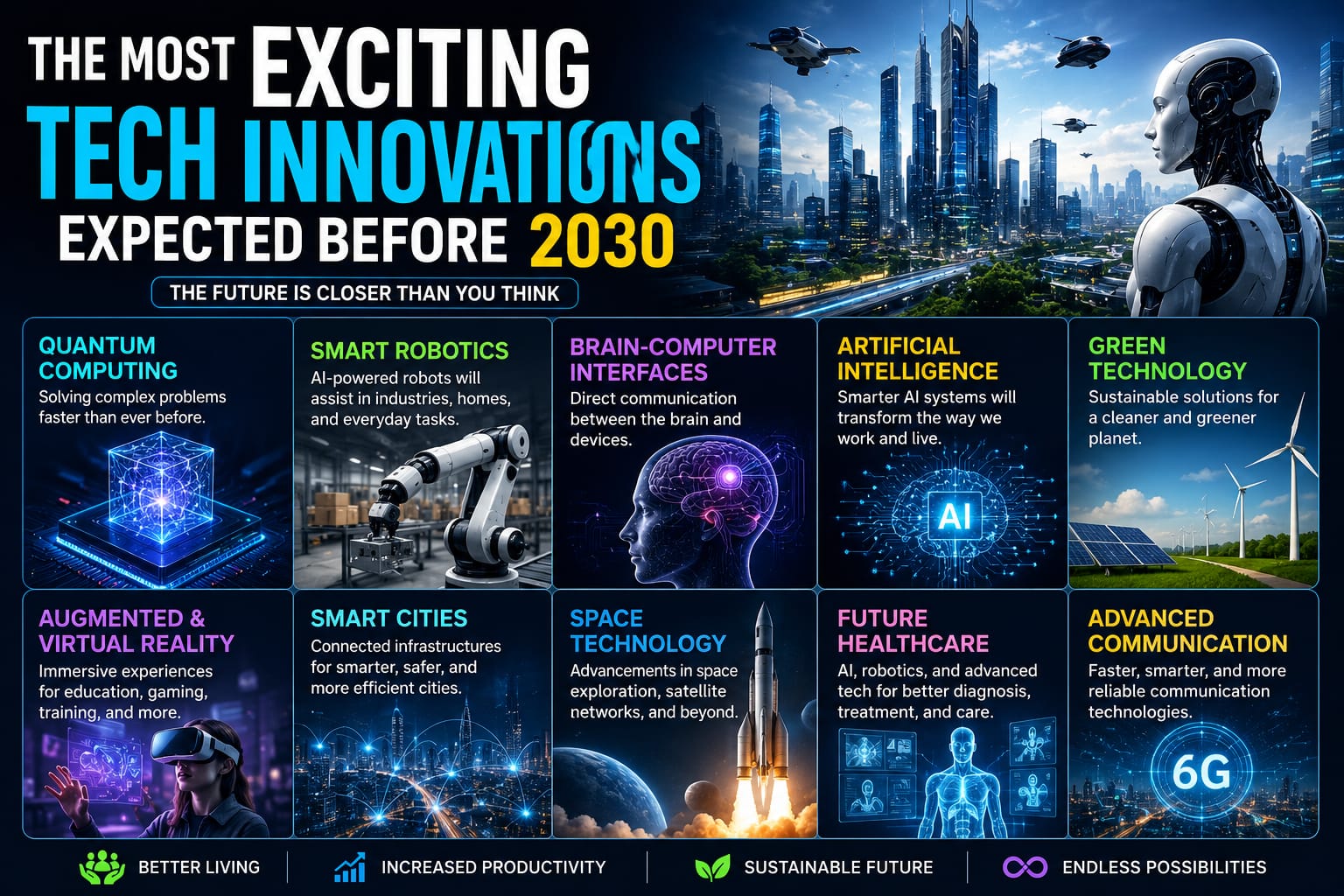
Let’s explore some of the most promising technologies that could reshape the world by 2030.
Why Emerging Technologies Matter
Every major technological revolution changes the way people live and work.
The internet transformed communication.
Smartphones changed how people access information.
Cloud computing revolutionized business operations.
Now, a new wave of technologies is preparing to create another major shift.
Emerging technologies often start slowly. At first, they appear expensive, experimental, or limited. Over time, they become more affordable, practical, and widely adopted.
Understanding these trends early can help individuals and businesses prepare for future opportunities.
Artificial Intelligence Will Continue to Expand
Artificial Intelligence is already influencing industries around the world.
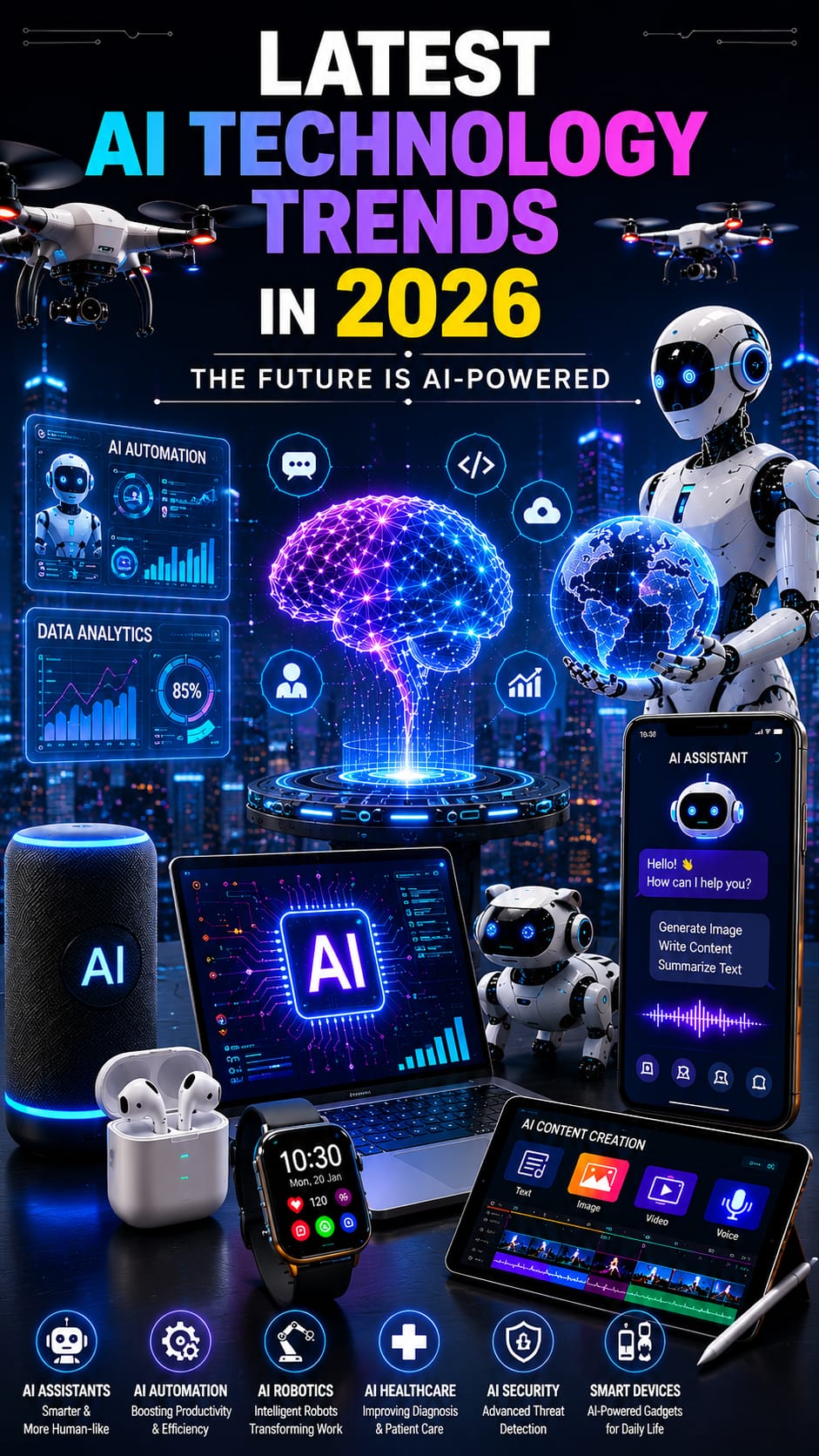
By 2030, AI is expected to become even more advanced and integrated into everyday activities.
Businesses are using AI to automate repetitive tasks, improve customer support, analyze data, and enhance productivity.
Consumers are benefiting from smarter digital assistants, personalized recommendations, and intelligent applications.
One observation I’ve made is that AI works best when it supports human decision-making rather than replacing it entirely. The future will likely involve closer collaboration between humans and intelligent systems.
Potential Benefits
- Increased productivity
- Better business efficiency
- Improved customer experiences
- Faster problem-solving
AI will remain one of the most influential technologies of the decade.
Quantum Computing Could Solve Complex Problems
Quantum computing is still developing, but its potential is enormous.
Traditional computers process information using bits. Quantum computers use quantum bits, or qubits, which can process certain calculations much more efficiently.
If development continues successfully, quantum computing could help solve problems that are currently beyond the capabilities of conventional systems.
Possible applications include:
- Scientific research
- Drug discovery
- Climate modeling
- Financial analysis
- Cybersecurity
While mainstream adoption may take time, many experts believe quantum computing could become one of the most important technological breakthroughs of the future.
Robotics Will Become More Advanced
Robots are no longer limited to factories.
Modern robotics is expanding into healthcare, logistics, agriculture, retail, and even homes.
By 2030, advanced robots may assist with:
- Deliveries
- Medical procedures
- Warehouse operations
- Elderly care
- Manufacturing
As robotic systems become more intelligent and affordable, businesses may use them to improve efficiency and reduce operational costs.
The goal isn’t necessarily replacing workers but supporting them with automation.
Smart Cities Will Improve Urban Living
Urban populations continue to grow around the world.
Managing transportation, energy consumption, waste, and public services becomes increasingly challenging as cities expand.
Smart city technology aims to solve these problems using connected systems and real-time data.
Examples include:
- Smart traffic management
- Intelligent street lighting
- Energy-efficient buildings
- Connected transportation networks
These innovations can help cities become safer, cleaner, and more efficient.
For residents, this could mean reduced traffic congestion and improved quality of life.
Biotechnology Could Transform Healthcare
Healthcare technology continues to advance rapidly.
Biotechnology is helping researchers develop new treatments, improve diagnostics, and better understand diseases.
Future developments may include:
- Personalized medicine
- Advanced genetic research
- Faster disease detection
- Innovative therapies
Medical technology has already improved millions of lives, and biotechnology may accelerate these improvements even further by 2030.
This is one area where technological progress has the potential to create significant global benefits.
Augmented Reality Could Change Digital Experiences
Augmented Reality (AR) blends digital content with the physical world.
Unlike virtual reality, which creates a completely digital environment, AR adds digital elements to real-world surroundings.
Potential uses include:
- Education
- Shopping
- Gaming
- Training programs
- Workplace collaboration
Imagine viewing product information instantly while shopping or receiving interactive instructions while learning a new skill.
As hardware improves, AR could become a much more common part of daily life.
Green Technology Will Support Sustainability
Environmental challenges are encouraging innovation in sustainable technology.
Green technology focuses on reducing environmental impact while improving efficiency.
Areas of development include:
- Renewable energy
- Energy storage
- Electric vehicles
- Sustainable manufacturing
- Smart energy systems
Governments and businesses worldwide are investing heavily in sustainable solutions.
By 2030, green technology may play a major role in shaping future economies and industries.
Space Technology Is Advancing Rapidly
Space exploration is no longer limited to government agencies.
Private companies are investing heavily in space technology, creating new opportunities for innovation.
Future developments may include:
- Improved satellite networks
- Commercial space travel
- Advanced communication systems
- Space-based research
Although some applications remain years away, the pace of progress is accelerating.
Space technology may influence communications, navigation, research, and business opportunities during the coming decade.
Challenges That Come With New Technologies
Emerging technologies offer exciting opportunities, but they also create challenges.
Privacy and Security
Connected systems collect large amounts of data.
Protecting personal information will remain essential.
Workforce Adaptation
Some jobs will evolve as technology changes business processes.
Continuous learning and skill development will become increasingly important.
Ethical Considerations
Technologies such as AI and biotechnology raise important ethical questions that require careful consideration.
Balancing innovation with responsibility will be critical.
Preparing for the Future
Predicting the future is never easy.
However, understanding emerging technologies can help individuals and businesses prepare for change.
The most successful organizations often embrace innovation while remaining flexible.
Similarly, individuals who continue learning and adapting are usually better positioned to benefit from technological progress.
Technology will continue evolving, and staying informed is one of the best ways to remain prepared.
FAQ
1. What are emerging technologies?
Emerging technologies are new innovations that have the potential to significantly impact industries and society in the future.
2. Which technology is expected to have the biggest impact by 2030?
Artificial Intelligence is widely expected to remain one of the most influential technologies over the next decade.
3. What is a smart city?
A smart city uses connected technologies and data systems to improve transportation, energy management, and public services.
4. Why is quantum computing important?
Quantum computing could solve complex problems much faster than traditional computers in specific areas.
5. How can people prepare for future technologies?
Continuous learning, skill development, and staying informed about industry trends are some of the best ways to prepare.
Conclusion
The technologies shaping the future are no longer distant possibilities. Many of them are already influencing industries, businesses, and daily life.
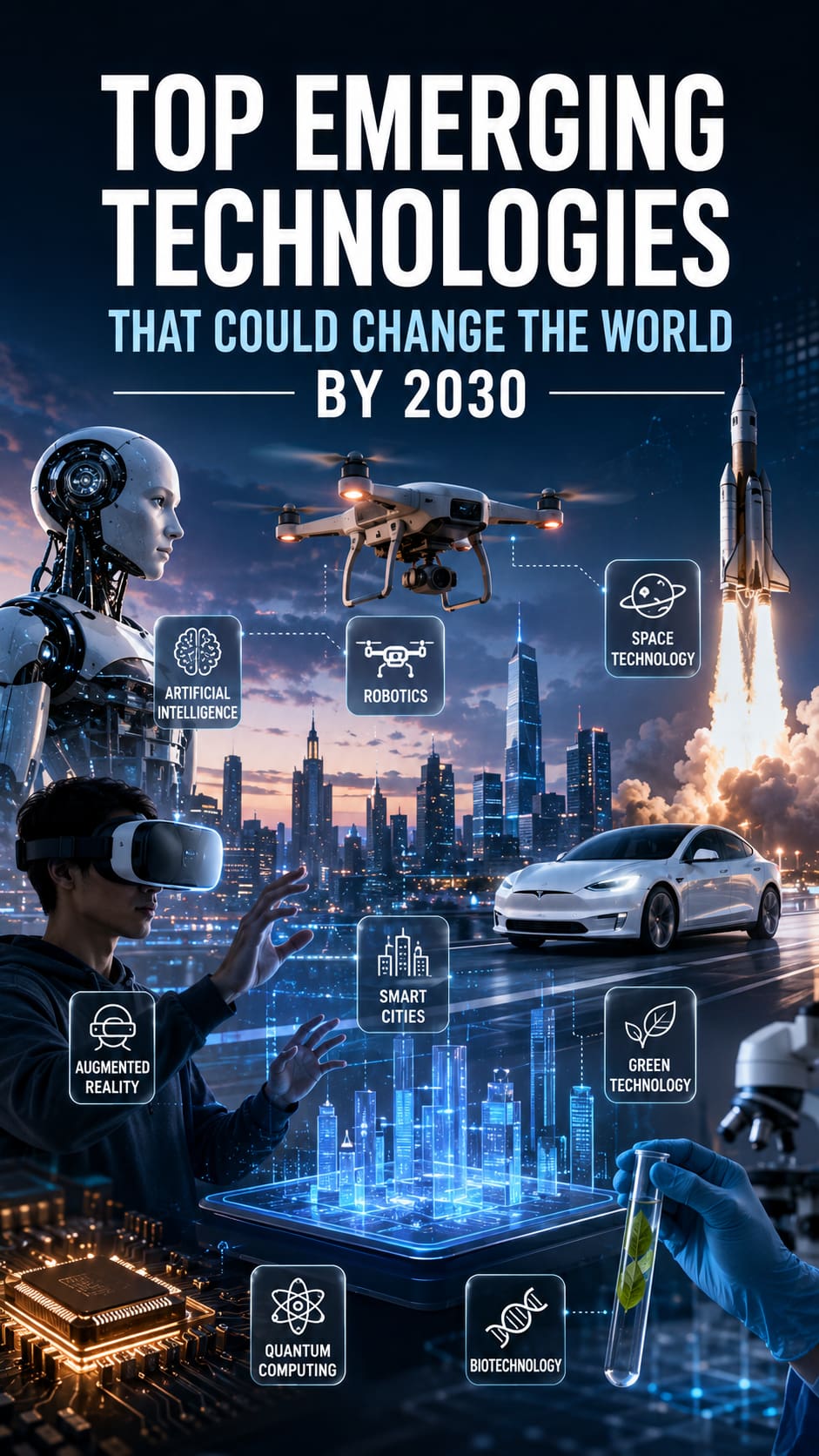
Artificial Intelligence, quantum computing, robotics, biotechnology, smart cities, green technology, augmented reality, and space innovation all have the potential to create significant changes by 2030.
While challenges remain, these technologies offer exciting opportunities for improving productivity, sustainability, healthcare, and quality of life.
The future will belong to those who stay informed, remain adaptable, and embrace innovation responsibly.
Related Resources
Yentice.me:
https://yentice.me/
MegaDealsHub24:
https://megadealshub24.blogspot.com/?m=1
About the Author