Introduction
When foldable smartphones first entered the market, they felt more like futuristic experiments than practical devices. The concept was exciting, but many consumers had concerns about durability, price, battery life, and long-term reliability.
A few years ago, spending a large amount of money on a foldable phone often felt risky. Early models were impressive, but they also had limitations that prevented many people from making the switch.
Fast forward to 2026, and the conversation has changed significantly.
Foldable smartphones have become more refined, more durable, and more practical than ever before. Manufacturers have improved display technology, hinge designs, software optimization, and battery performance. As a result, many consumers are beginning to ask an important question:
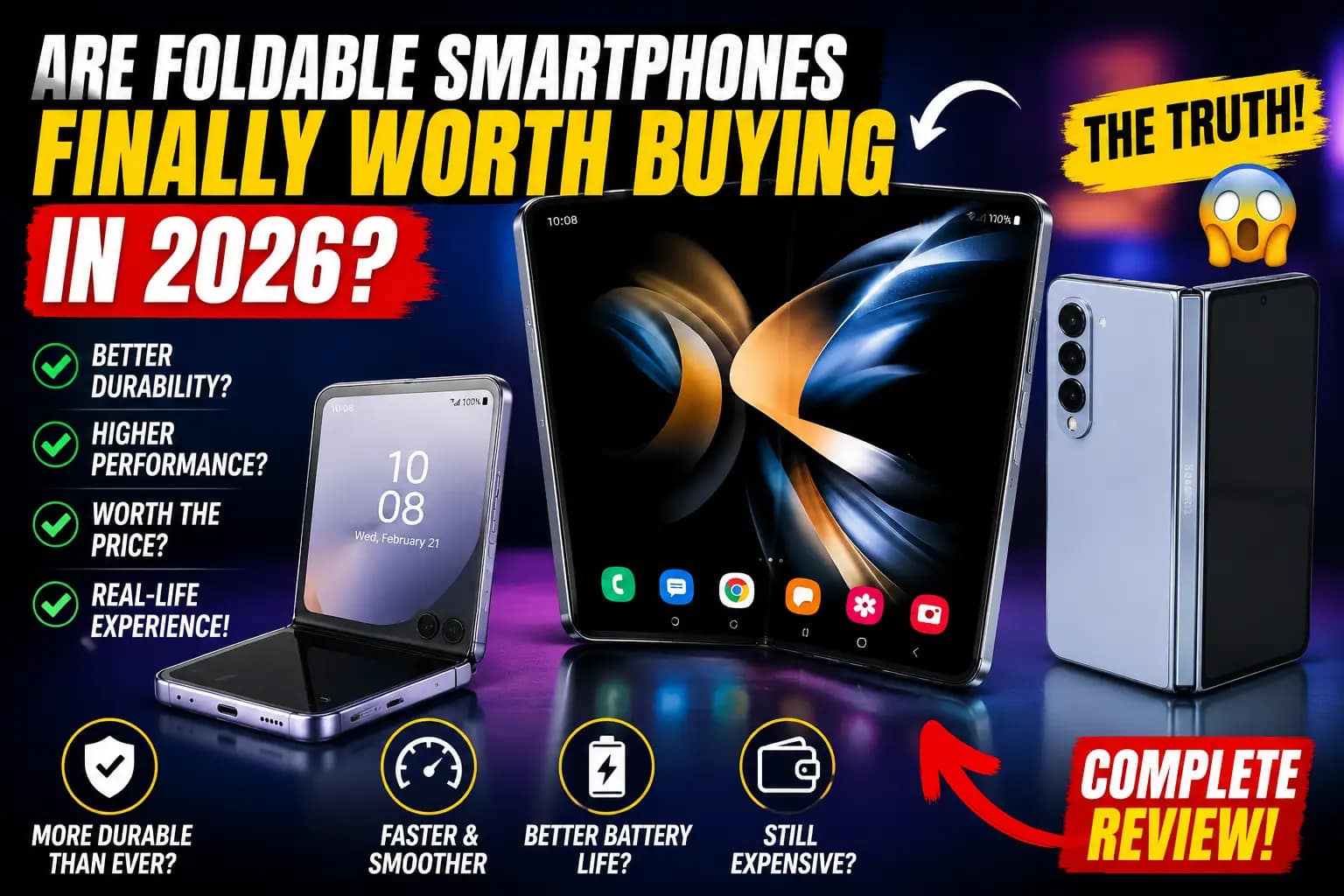
Are foldable smartphones finally worth buying in 2026?
The short answer is yes for many users, but not necessarily for everyone. The value depends on your needs, budget, and expectations.
Let’s take a closer look at the advantages, disadvantages, and real-world usability of foldable smartphones in 2026.
What Is a Foldable Smartphone?
A foldable smartphone is a device that uses a flexible display, allowing it to fold and unfold.
Unlike traditional smartphones, foldable devices can provide:
- Larger screen space
- Improved multitasking
- Tablet-like functionality
- Enhanced media consumption
When folded, they function like regular smartphones. When opened, they provide a larger display for productivity, gaming, and entertainment.
This combination is one of the main reasons consumers are interested in the technology.
Why Foldable Phones Are Becoming More Popular
Several improvements have contributed to the growing popularity of foldable devices.
Better Durability
Early foldable phones faced criticism because of fragile screens and hinge concerns.
Modern foldable smartphones now feature:
- Stronger hinges
- Improved flexible displays
- Better water resistance
- Enhanced durability testing
Manufacturers have invested heavily in solving these problems.
As a result, today’s foldable devices feel significantly more reliable.
Improved Software Experience
Hardware alone isn’t enough.
Modern foldable phones now benefit from software specifically designed for larger displays.
Users can:
- Run multiple apps simultaneously
- Switch between tasks smoothly
- Use split-screen functionality
- Enjoy optimized interfaces
This creates a more productive experience compared to traditional smartphones.
Advantages of Foldable Smartphones
Larger Display Without Carrying a Tablet
One of the biggest benefits is screen size.
Users can enjoy:
- Larger videos
- Better reading experiences
- Enhanced gaming
- More workspace
For people who consume a lot of content, the larger display can make a noticeable difference.
Better Multitasking
Productivity is another major advantage.
A foldable phone allows users to:
- View documents while taking notes
- Watch videos while browsing
- Use multiple apps simultaneously
For professionals and students, this flexibility can improve efficiency.
Premium Design and Innovation
Foldable smartphones continue to attract attention.
Their unique design often feels more futuristic than traditional devices.
Many buyers appreciate owning technology that stands out from standard smartphones.
While design alone shouldn’t justify a purchase, it remains a factor for many consumers.
Improved Entertainment Experience
Streaming services, gaming, and social media all benefit from larger screens.
Watching movies or videos on a foldable display often feels more immersive.
This can be particularly appealing for users who frequently consume content on their phones.
Potential Drawbacks of Foldable Phones
Despite their improvements, foldable devices are not perfect.
Higher Prices
Cost remains one of the biggest challenges.
Foldable smartphones generally cost more than traditional flagship devices.
For many consumers, the price difference remains difficult to justify.
Added Weight and Thickness
Although designs continue improving, foldable devices are often:
- Heavier
- Thicker
- Less pocket-friendly
Some users may prefer the simplicity of traditional smartphones.
Long-Term Durability Questions
Modern foldables are more durable than earlier models.
However, moving parts always introduce additional complexity.
Many consumers still wonder how these devices will perform after several years of heavy use.
While improvements are encouraging, long-term durability remains an important consideration.
Who Should Buy a Foldable Smartphone?
Foldable phones are especially useful for:
Professionals
People who frequently multitask can benefit from larger displays and productivity features.
Content Consumers
Video streaming, reading, and gaming all become more enjoyable on bigger screens.
Technology Enthusiasts
Users who enjoy trying new technology often appreciate foldable devices.
Frequent Travelers
Carrying one device that functions as both a smartphone and a mini-tablet can be convenient.
Who Should Stick With Traditional Smartphones?
Not everyone needs a foldable phone.
Traditional smartphones may remain the better choice for:
Budget-Conscious Buyers
Standard flagship phones often provide excellent value.
Casual Users
People who primarily use messaging, calls, and social media may not benefit significantly from foldable features.
Durability-Focused Consumers
Some users prefer devices with fewer moving components.
Traditional smartphones remain highly reliable.
How Foldable Phones Compare to Traditional Flagships
Screen Size
Foldables win in display flexibility and workspace.
Portability
Traditional smartphones are generally lighter and thinner.
Productivity
Foldables offer better multitasking capabilities.
Price
Traditional devices usually provide better value for money.
Innovation
Foldables clearly lead in terms of design innovation.
The best choice depends on individual priorities.
What the Future Looks Like
Industry experts expect foldable technology to continue improving.
Future developments may include:
- Thinner designs
- Lower prices
- Stronger displays
- Better battery life
- Enhanced software optimization
As manufacturing processes improve, foldable devices could become more mainstream.
Many analysts believe foldable technology will play an increasingly important role in the smartphone market over the next decade.
Practical Buying Tips
Before purchasing a foldable smartphone, consider:
Your Budget
Determine whether the additional features justify the higher cost.
Your Daily Usage
Heavy multitaskers often gain the most value.
Warranty and Support
Check manufacturer warranty coverage.
Long-Term Needs
Think about how the device will fit into your workflow over several years.
A careful evaluation helps ensure the best purchasing decision.
FAQ
1. Are foldable smartphones durable in 2026?
Yes. Modern foldable phones are significantly more durable than earlier models thanks to stronger materials and improved hinge designs.
2. Are foldable phones worth the higher price?
For users who value multitasking, larger displays, and productivity features, they may be worth the investment.
3. Do foldable screens still crease?
Most foldable devices still have a visible crease, but it is generally less noticeable than before.
4. Are foldable phones good for gaming?
Yes. Larger displays can provide a more immersive gaming experience.
5. Will foldable smartphones replace traditional phones?
Not completely. Traditional smartphones will likely remain popular alongside foldable devices for many years.
Conclusion
Foldable smartphones have come a long way since their introduction. Improvements in durability, software optimization, display technology, and overall usability have made them far more practical in 2026 than they were just a few years ago.
While they are not the perfect choice for everyone, they now offer genuine benefits for professionals, content consumers, and technology enthusiasts.
The biggest barriers remain price and personal preference. However, for users seeking a more versatile smartphone experience, foldable devices are finally becoming a compelling option.
In many ways, 2026 may be the year when foldable smartphones move from being a niche product to a mainstream consideration.
About the Author