Passkeys, fingerprint authentication, and facial recognition are rapidly replacing traditional passwords as the future of secure online access.
For decades, passwords have been the primary way people access online accounts.
From email and social media to banking apps and work platforms, passwords have protected our digital lives for years. Yet despite their widespread use, passwords have always had one major problem: humans are terrible at managing them.
Many people reuse the same password across multiple websites, choose weak passwords that are easy to guess, or forget complex combinations entirely. As cyber threats continue to grow, technology companies are searching for a better solution.
That solution may already be here.
Experts believe that traditional passwords could gradually disappear over the next few years as passkeys, biometric authentication, and advanced security systems become more common.
Let’s explore why the future of online security may be password-free.
The Biggest Problem With Passwords
Passwords were created in a much simpler digital era.
Today, the average person has dozens or even hundreds of online accounts.
This creates several challenges:
- Password fatigue
- Forgotten passwords
- Weak password choices
- Password reuse
- Increased security risks
Cybercriminals often exploit these weaknesses through phishing attacks, credential theft, and data breaches.
As a result, passwords are becoming one of the weakest links in cybersecurity.
What Are Passkeys?
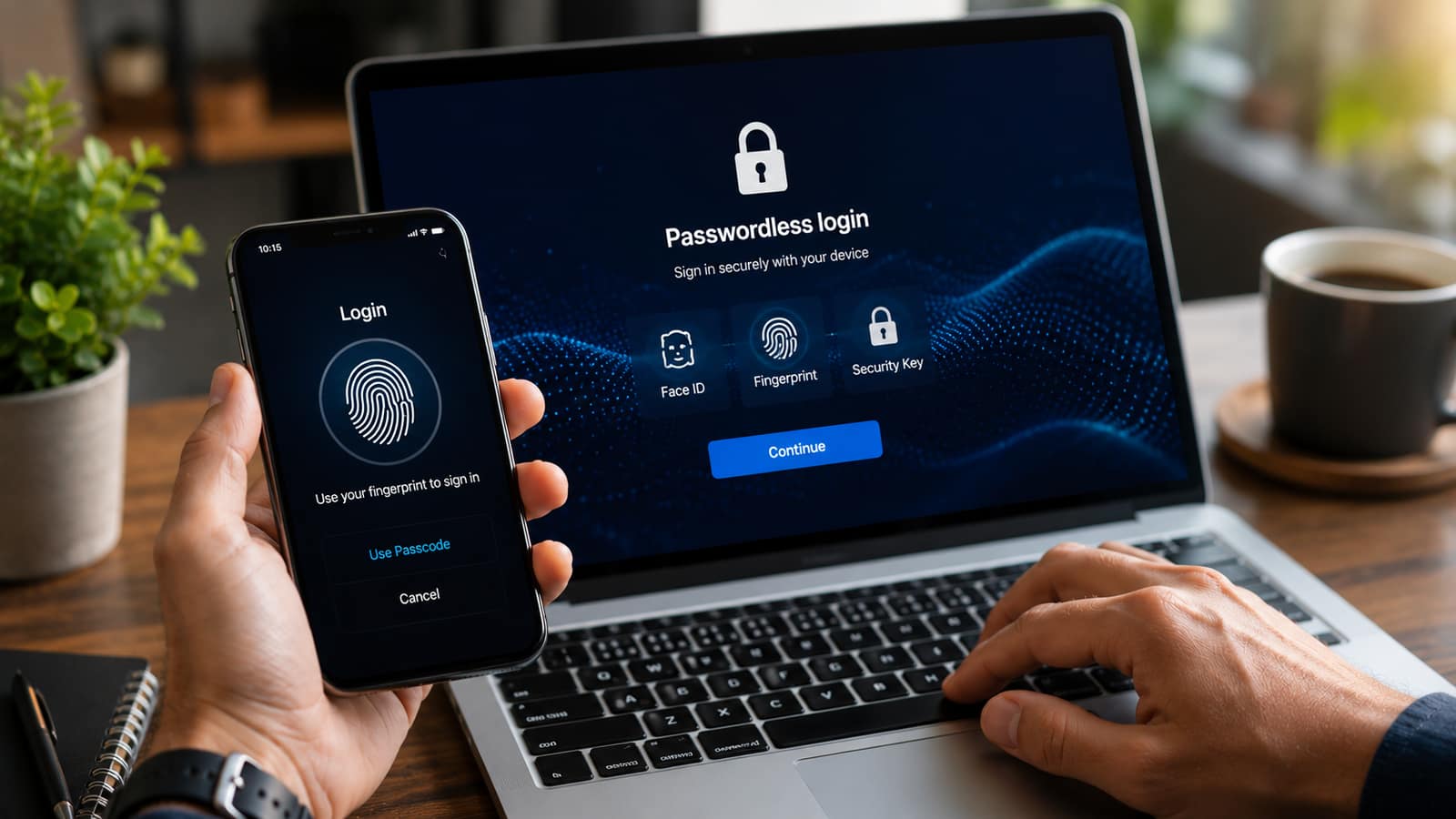
Passkeys are a modern authentication method designed to replace traditional passwords.
Instead of remembering complex combinations of letters and numbers, users can sign in using:
- Fingerprint authentication
- Facial recognition
- Device authentication
- Security keys
Passkeys use cryptographic technology that is significantly more secure than traditional passwords.
Most importantly, there is nothing for users to remember.
Why Major Tech Companies Are Supporting Passkeys
Many of the world’s largest technology companies are investing heavily in passwordless authentication.
Their goal is simple:
Make online security both safer and easier.
Passkeys help reduce:
- Account takeovers
- Password theft
- Phishing attacks
- Credential stuffing attacks
At the same time, they improve the user experience by eliminating password management frustrations.
The Rise of Biometric Authentication
Biometric authentication has already become part of everyday life.
Millions of people unlock their devices using:
- Fingerprints
- Face recognition
- Eye scanning technologies
These methods offer convenience while maintaining strong security.
Unlike passwords, biometric data cannot be easily guessed or reused across multiple accounts.
Why Passwordless Login Is More Secure
Traditional passwords can be:
- Stolen
- Shared
- Reused
- Guessed
- Leaked during breaches
Passwordless systems work differently.
Authentication is tied to a trusted device and secure cryptographic credentials rather than a text-based password.
This dramatically reduces opportunities for attackers.
How Passwordless Technology Works
When you create a passkey:
- A secure credential is generated.
- Part of that credential remains on your device.
- Another part is stored securely by the service provider.
- Authentication occurs without transmitting a password.
Even if attackers intercept communication, there is no reusable password to steal.
Benefits of a Password-Free Future
Better Security
Removing passwords eliminates many common attack methods.
Faster Logins
Users can access accounts more quickly.
Fewer Account Recovery Problems
Forgotten passwords are one of the biggest customer support issues worldwide.
Reduced Phishing Risks
Passkeys are much harder to use in phishing attacks.
Improved User Experience
People no longer need to remember countless login credentials.
Challenges That Still Exist
Despite their advantages, passwordless systems are not perfect.
Device Dependence
Many authentication systems rely on trusted devices.
Losing a device can create account recovery challenges.
Adoption Takes Time
Not every website or service currently supports passkeys.
The transition will likely happen gradually.
User Education
Many people are unfamiliar with passwordless authentication.
Education will play a major role in widespread adoption.
Industries Leading the Change
Several industries are already moving toward password-free authentication.
Banking
Financial institutions increasingly use biometric security.
Technology Platforms
Many online services now support passkeys.
E-Commerce
Retailers are exploring more secure login methods.
Enterprise Businesses
Organizations are adopting passwordless solutions to improve security and reduce IT costs.
What This Means for Everyday Users
For most people, the transition will be gradual.
Over the next few years, you may notice:
- More websites offering passkeys
- Fewer password requirements
- Increased biometric login options
- Improved account security
Many users may continue using passwords alongside newer authentication methods during the transition period.
The Future of Digital Security
Passwords have served the internet well for decades.
However, modern cybersecurity threats require stronger solutions.
Passkeys and biometric authentication provide a glimpse into a future where logging in becomes both easier and more secure.
While passwords may not disappear overnight, their role is likely to shrink significantly as passwordless technologies continue expanding across devices, websites, and online services.
The future of online security may not depend on what you remember.
It may depend on who you are and the devices you trust.
FAQ
1. What is a passkey?
A passkey is a secure password replacement that uses device-based authentication and cryptographic security.
2. Are passkeys safer than passwords?
In many situations, yes. Passkeys reduce phishing, password theft, and account takeover risks.
3. Will passwords disappear completely?
Not immediately. The transition will likely happen gradually over several years.
4. Can passkeys be used on smartphones?
Yes. Most modern smartphones already support passkey technology.
5. Are fingerprints and face recognition secure?
Modern biometric systems provide strong security and are widely used across consumer devices.
Conclusion
The internet is entering a new era of authentication.
As passkeys, biometric verification, and passwordless login systems become more common, traditional passwords may slowly become less important.
The shift isn’t just about convenience.
It’s about creating a safer digital world where users no longer need to rely on weak or reused passwords to protect their online accounts.
While passwords won’t disappear tomorrow, the future increasingly points toward a world where remembering dozens of login credentials becomes a thing of the past.
Related Resources
About the Author